Science News
 American
Science News for 1 April 2020
American
Science News for 1 April 2020
'Sailors do not need to die': Captain of aircraft carrier asks for help with onboard COVID-19 outbreak
Live Science - 1 Apr 2020 16:24 The captain of a Naval aircraft carrier is asking for help as at least 100 Sailors aboard have been diagnosed with coronavirus.
Optical data processing benefits from new kind of mobillity
Phys.org - 1 Apr 2020 17:30 Mode control is essential for optical communications and data processing technologies. Whether it's connections and switches in data transmission lines or some sort of non-reciprocal device for optical circuits, the abil...
More than 100,000 Americans may die from COVID-19, US officials say.
Live Science - 1 Apr 2020 03:26 The next couple of weeks will be "very, very painful" and "rough," Trump said today during a White House briefing today.
Robots to the Rescue: How They Can Help During Coronavirus (and Future Pandemics)
Singularity Hub - 1 Apr 2020 18:00 As the coronavirus pandemic forces people to keep their distance, could this be robots‘ time to shine? A group of scientists think so, and they're calling for robots to do the “dull, dirty, and dangerous jobs” of i...
Understanding how the protein tau moves between neurons yields insight into possible treatments for neurodegenerative diseases
Science Daily - 1 Apr 2020 23:53
In the fight against neurodegenerative diseases such as frontotemporal dementia, Alzheimer's and Chronic Traumatic Encephalopathy, the tau protein is a major culprit. Found abundantly in our brain cells, tau is normally ...
New CT scoring criteria for timely diagnosis, treatment of coronavirus disease (COVID-19)
Science Daily - 1 Apr 2020 23:08
Updated CT scoring criteria that considers lobe involvement, as well as changes in CT findings (i.e., ground-glass opacity, crazy-paving pattern, and consolidation), could quantitatively and accurately evaluate the progr...
Global nuclear medicine community shares COVID-19 strategies and experiences
Science Daily - 1 Apr 2020 23:08
In an effort to provide safer working environments for nuclear medicine professionals and their patients, clinics across five continents have shared their approaches to containing the spread of COVID-19. This compilation...
Understanding brain tumors in children
Science Daily - 1 Apr 2020 21:08
The causes of 40% of all cases of certain medulloblastomas -- dangerous brain tumors affecting children -- are hereditary. A genetic defect that occurs in 15% of these children plays a key role by destabilizing the produ...
How dopamine drives brain activity
Science Daily - 1 Apr 2020 21:08
Using a specialized magnetic resonance imaging (MRI) sensor that can track dopamine levels, neuroscientists have discovered how dopamine released deep within the brain influences distant brain regions.
Spina bifida surgery before birth restores brain structure
Science Daily - 1 Apr 2020 21:08
Surgery performed on a fetus in the womb to repair defects from spina bifida triggers the body's ability to restore normal brain structure, new research has discovered.
3-D laser damage positioned by deep-learning method
Phys.org - 1 Apr 2020 17:55 Traditional online damage detection schemes can directly detect and characterize damage by imaging optical components. However, due to optical resolution, noise, shadows and reflections, the small-size damage points cann...
The discovery of new compounds for acting on the circadian clock
Science Daily - 1 Apr 2020 17:26
Scientists have succeeded in the discovery of novel compounds to lengthen the period of the circadian clock, and has shed light on their mechanisms of action.
Scientists see energy gap modulations in a cuprate superconductor
EurekAlert! - 1 Apr 2020 08:00
(DOE/Brookhaven National Laboratory) Scientists studying high-Tc superconductors at the US Department of Energy's Brookhaven National Laboratory have definitive evidence for the existence of a state of matter known as a ...
Loss of smell and taste is strongest predictor of early COVID-19 infection
Neuroscience News - 2 Apr 2020 01:20
User data from a new COVID-19 symptom tracking app reveals a loss of taste and smell are the strongest predictors of a positive coronavirus diagnosis. Using the data, researchers have developed a model to identify which ...
Inherited mutation can predispose children to a type of brain tumor
Neuroscience News - 2 Apr 2020 00:56
The ELP1 gene is abnormally mutated in the germline DNA of 15% of children with the Sonic Hedgehog subgroup of medulloblastoma brain cancer.
Historical coronaviruses show evidence of seasonality & immunity
Neuroscience News - 2 Apr 2020 00:34
Historical data from Flu Watch about other coronaviruses reveals they appear to have a seasonal pattern, with peaks occurring during winter. Only small amounts of other coronavirus infections were transmitted during the ...
The discovery of new compounds for acting on the circadian clock
Neuroscience News - 2 Apr 2020 00:11
Two small molecules, KL101 and TH301, are the first compounds that selectively target circadian clock components CRY1 and CRY2.
An antibody test for the novel coronavirus will soon be available
The Economist - 1 Apr 2020 23:51
Editor's note: The Economist is making some of its most important coverage of the covid-19 pandemic freely available to readers of The Economist Today, our daily newsletter. To receive it, register here. For more coverag...
Woman with COVID-19 developed a rare brain condition. Doctors suspect a link.
Live Science - 1 Apr 2020 23:36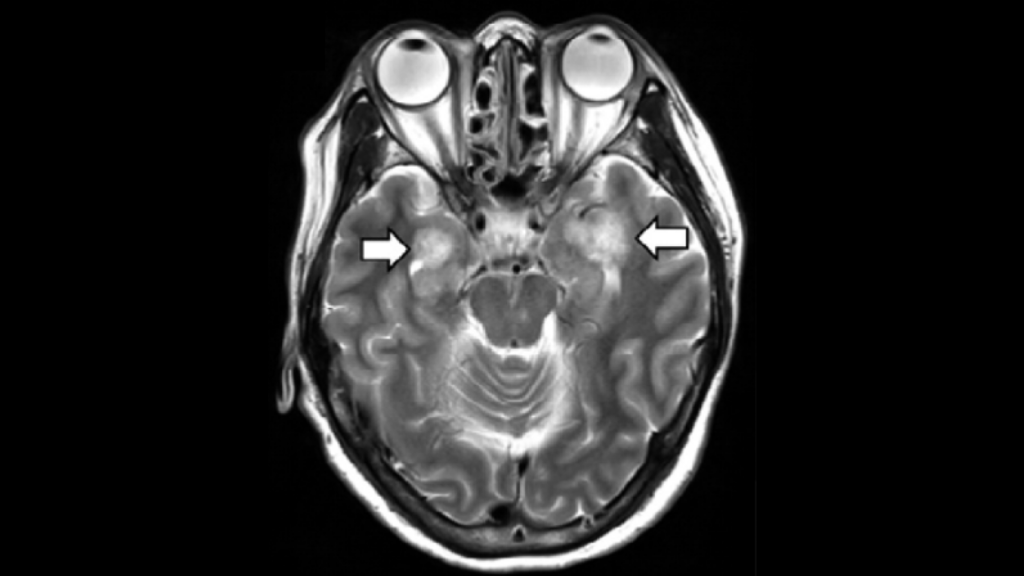 The rare condition has been associated with other viral infections, including influenza and herpes.
The COVID-19 pandemic has introduced us to a new word: Zoonosis (Op-Ed)
Live Science - 1 Apr 2020 23:29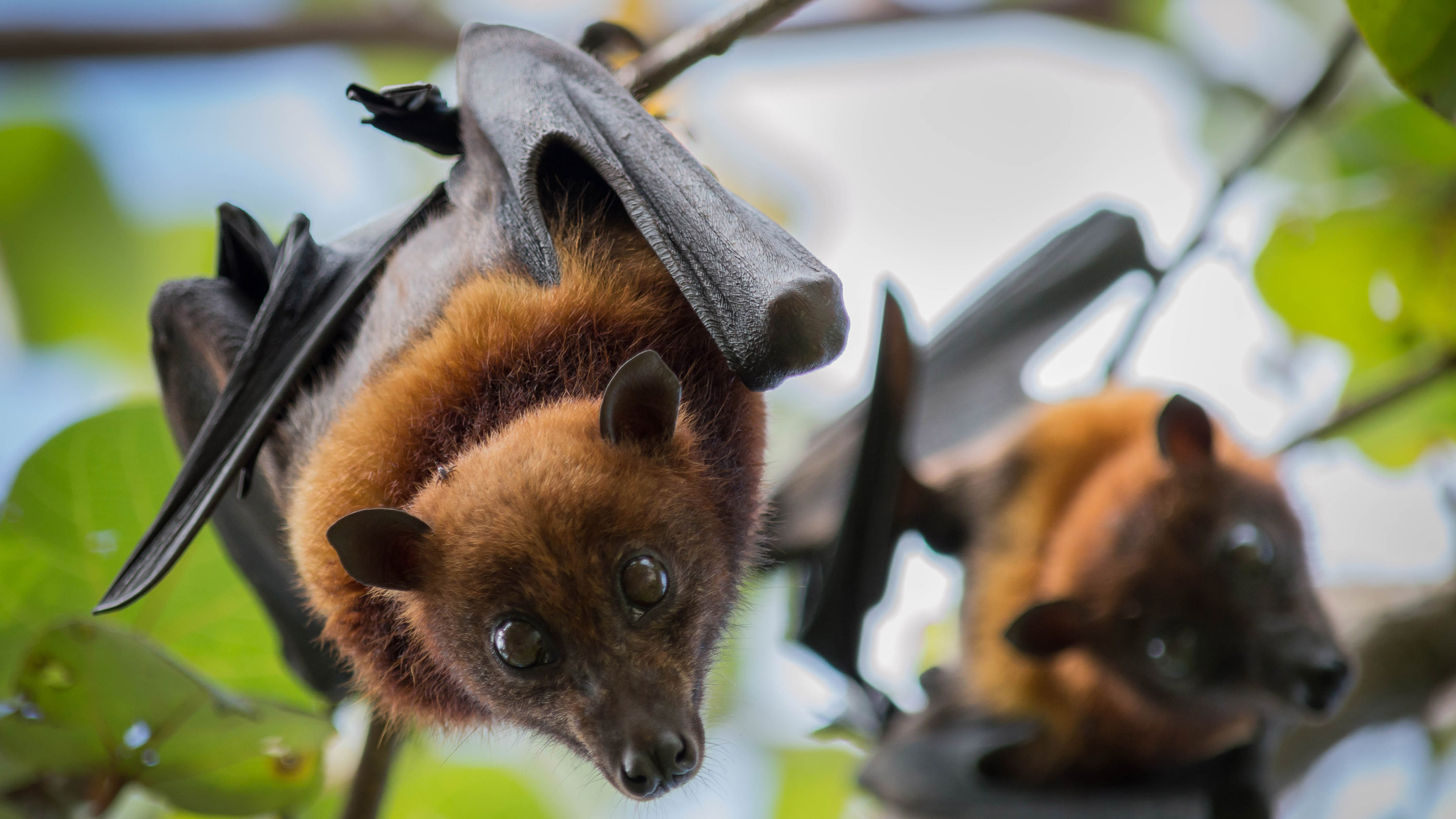 The recent eruption of COVID-19 near a "wet market" in Wuhan, China, calls our attention to a phenomenon captured by a word increasingly becoming commonplace: zoonosis.
Aggressive lockdowns need to last more than six weeks to contain COVID-19
Neuroscience News - 1 Apr 2020 23:23
Preliminary results from a new model suggest the COVID-19 lockdown should last for more than six weeks. The advice is based on data which shows it takes countries almost three weeks to see a growth rate staying below 10%...
'Starry Night' replica found on peacock spider's butt
Live Science - 1 Apr 2020 23:11 Seven new species of peacock spider have been discovered in Australia, one of which was named for Vincent Van Gogh's Starry Night
 Global
 Great Britain
 Indian
 South Africa